


Boost your content’s visibility in AI search with Generative Engine Optimisation. Learn LLM-optimised content, structured data, and topic cluster strategies.
TL;DR
- Generative Engine Optimisation (GEO) helps content get discovered by AI-powered search engines like ChatGPT, Google AI, and Perplexity.
- LLM-optimised content ensures AI understands and surfaces your content effectively.
- Structured data & schema signal context and relevance to answer engines.
- Content clusters & interlinking build topical authority and improve AI visibility.
- Measuring GEO success involves tracking AI mentions, snippet captures, and engagement from AI-driven traffic.
The way people search for information is changing fast.
AI-powered search engines like ChatGPT, Google AI Overviews, and Perplexity are often the first stop for answers. That means traditional SEO alone isn’t enough anymore.
Generative Engine Optimisation (GEO) is the modern solution. It ensures your content doesn’t just exist online; it actually gets discovered, understood, and cited by AI systems.
At LangSync, we specialise in GEO strategies that combine LLM-optimised content, structured data, and smart content clusters. This approach helps your brand stand out in an AI-first search world.
In this guide, you’ll learn the key components of GEO, why it matters for your visibility, and actionable insights most marketers don’t know. By the end, you’ll know how to start getting real results in AI-powered search.
Next, we’ll explore what GEO actually is and why it’s becoming essential for brands aiming to stay ahead.
What is Generative Engine Optimisation (GEO)?
Generative Engine Optimisation (GEO) is about making your content easy for AI to find and understand.
AI-powered search engines like ChatGPT, Google AI, and Perplexity can read and interpret content. GEO helps your content get noticed and shown to the right people.
It is not just about keywords. AI looks at meaning, context, and clarity. Your content should be simple, organised, and easy to follow. It should make sense to both AI and human readers.
GEO works with three main strategies. LLM-optimised content helps AI understand your text. Structured data explains the relationships in your content. Topic clusters show depth and authority on your subject. Using all three improves your AI visibility and performance in AI-first search.
At LangSync, we use GEO to help brands get seen and trusted by AI systems. Our strategies make content clear, structured, and ready to be featured in AI answers. Your content does not just exist online. It becomes a resource that AI can rely on.
Pro tip: For a closer look at creating content that LLMs actually love, check out our upcoming cluster article: LLM-Optimised Content.
Why GEO Matters for Modern Search
AI-powered search is changing the way people find information.
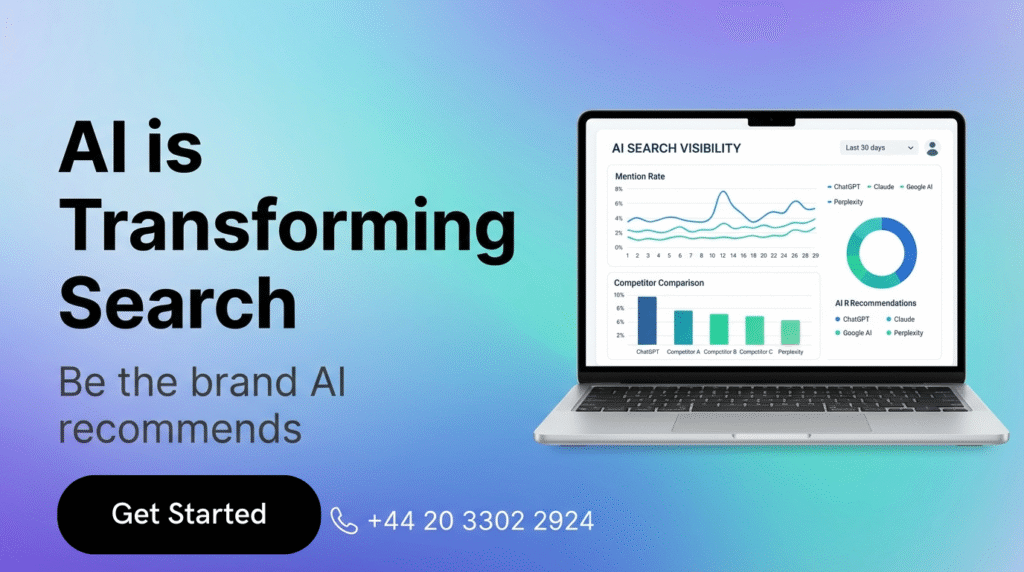
Tools like ChatGPT, Google AI, and Perplexity often give answers directly instead of just links. That means your content needs to be easy for AI to read and use.
Traditional SEO is still useful. Keywords, backlinks, and meta tags still matter. But they are not enough on their own. AI looks for clear, structured content that answers questions directly.
Here is why GEO matters:
- Appear in AI-generated answers – Make your content visible where users are actually looking.
- Build brand authority – Structured, helpful content signals expertise and trustworthiness.
- Increase AI visibility – Content that is easy to interpret gets surfaced more often in AI-first search.
- Reach the right audience – GEO helps ensure your content answers real queries effectively.
- Boost traffic and engagement – AI-powered results can drive more qualified visitors to your site.
Pro tip: For a deep dive into building content clusters that boost AI authority, see our upcoming cluster article: Building Topic Clusters for GEO.
Core Techniques for Generative Engine Optimisation (GEO)
Optimising for AI-powered search means creating content that AI understands, values, and surfaces.
These techniques help ensure your content is discoverable, authoritative, and structured.
1. LLM-Optimised Content
AI systems read and interpret content differently than humans. To make your content AI-friendly:
- Use short, clear sentences that convey a single idea.
- Structure content with headings and subheadings for easy AI parsing.
- Include semantic keywords naturally to provide context.
- Avoid vague or complex phrasing that may confuse LLMs.
- Focus on answering questions directly, so AI can extract and surface content.
2. Structured Data & Schema
Structured data gives AI context about your content and increases the chances of appearing in answer engines:
- Implement JSON-LD schemas like FAQ, HowTo, Product, and Article.
- Test and validate schemas to ensure accuracy and AI readability.
- Highlight key content elements to help AI extract answers efficiently.
- Maintain consistent schema usage across pages to reinforce authority.
3. Content Clusters & Topic Authority
Building clusters around a pillar page helps establish topical authority for AI search:
- Create cluster pages that support the main pillar content with detailed subtopics.
- Interlink clusters and the pillar page to improve AI comprehension and contextual relevance.
- Keep topics consistent and tightly related to strengthen signals to AI.
- Update clusters over time to reflect new trends and queries in AI search.
Measuring Generative Engine Optimisation (GEO) Success
Measuring GEO success ensures your efforts are driving real visibility, engagement, and authority in AI-powered search.
By tracking the right metrics, you can identify what works, spot gaps, and refine your content strategy to improve performance over time.
Effective measurement focuses on both quantitative data, such as metrics and analytics and qualitative insights like AI answer relevance and content clarity. It is not just about traffic. GEO success is determined by how AI systems interpret, surface, and prioritise your content.
Key GEO Metrics to Monitor
- AI Mentions and Citations: Track how often your content is referenced in LLM-generated answers.
- Answer Snippet Capture: Measure when your content appears in AI-powered answer boxes or previews.
- Content Engagement Signals: Look at dwell time, click-throughs, and interactions to understand AI-driven user engagement.
Tools for Tracking AI Visibility
- Use platforms and dashboards that monitor AI mentions, answer engine inclusion, and semantic coverage.
- Validate structured data implementation and ensure AI correctly interprets schemas.
- Track cluster performance to see which supporting content strengthens the pillar’s authority.
Analysing LLM Engagement and Answers
- Assess how AI systems present your content in responses.
- Identify which queries your content answers effectively and where gaps exist.
- Refine headings, phrasing, and structure to improve AI comprehension and answer relevance.
Adjusting Strategy Based on Insights
- Update content clusters and pillar pages regularly based on performance metrics.
- Expand or revise content topics to address gaps detected by AI search patterns.
- Continuously optimise structured data, semantic keywords, and internal linking to reinforce authority.
Expanding Your Generative Engine Optimisation Strategy
Generative Engine Optimisation works best when it is treated as a connected system, not a single tactic.
This pillar page introduces the core ideas, but each component of GEO deserves focused attention to perform well in AI-powered search.
The sections below expand on the most important parts of GEO in detail. Each topic dives deeper into how AI systems interpret content, assess authority, and decide what to surface in generated answers.
LLM-Optimised Content
This section explores how large language models read and interpret content.
It focuses on writing clearly, structuring answers properly, and using language that aligns with how AI systems process meaning. It also explains how to avoid common mistakes that prevent content from being surfaced in AI-generated responses.
Structured Data for GEO
Structured data helps AI engines understand context, intent, and relationships within your content.
This section explains which schema types matter most for GEO and how structured data supports answer engines, AI previews, and citation eligibility.
Building Topic Authority with Content Clusters
Topic clusters signal depth and expertise to AI systems.
This section explains how pillar pages and supporting articles work together, how internal linking improves AI comprehension, and why topical consistency matters more than isolated keywords.
Measuring GEO Performance
Tracking performance is essential to improving visibility in AI-powered search.
This section focuses on how to monitor AI mentions, evaluate answer quality, and refine content based on how generative engines surface and summarize your information.
Together, these sections form a complete GEO framework that helps content earn trust, visibility, and long-term authority across AI-driven search platforms.
FAQs
What is Generative Engine Optimisation, and how is it different from traditional SEO?
Why is GEO important for AI-powered search and LLMs?
How do structured data and schema help my content appear in AI-generated answers?
What are content clusters, and why do they matter for AI search authority?
How can LangSync AI help businesses improve visibility in AI-powered search?
Generative Engine Optimisation: Final Thoughts
Generative Engine Optimisation is an essential strategy for brands that want to be visible and cited in AI-powered search.
By focusing on LLM-optimised content, structured data, content clusters, and proper tracking, your content can earn authority and relevance across AI systems.
If you want a simple and effective way to implement GEO for your business, LangSync AI can help. We create strategies that make your content discoverable by AI, easy to understand, and ready to be surfaced in answer engines.
Start building your AI-ready content strategy today with LangSync AI and increase your visibility in the AI-powered search landscape.