


Learn 10 proven strategies to increase brand visibility on Perplexity and AI search platforms. Boost citations, authority, and content discoverability with actionable tips.
Key Takeaways
- AI search platforms like Perplexity summarise content from multiple sources.
- Brands are cited more consistently when content is structured, credible, and kept up to date.
- Creating authoritative, expert content increases AI visibility.
- Engaging on forums and social platforms can boost contextual relevance.
- Monitoring, measuring, and optimising content helps improve AI citations over time.
- Analysis of 6.8M AI citations shows most references come from brand-managed, authoritative sources.
AI search platforms like Perplexity are transforming how information is discovered online. Unlike traditional search engines, they don’t just rank pages; they summarise content from multiple sources and often cite authoritative sites. This makes it essential for brands to create structured, credible, and up-to-date content to increase the likelihood of being referenced in AI-generated answers.
In this blog, we’ll cover 10 actionable strategies, backed by real stats, to help your content get noticed, cited, and trusted by AI platforms. These tactics provide a clear path for improving your brand’s visibility on AI search platforms.
1. Increase Perplexity AI Visibility by Understanding How AI Summarises Content
AI search platforms generate answers by summarising content from multiple sources and often include direct citations. Brands need to rethink how they approach online visibility.
In fact, a recent study analysing 6.8 million AI citations across ChatGPT, Gemini, and Perplexity found that 86 % of citations came from brand-managed sources like official websites and listings, highlighting how structured, authoritative content dramatically increases AI visibility.
What we know from the data:
- Perplexity’s user base and query volume have grown rapidly, making it one of the most actively used AI search tools (source).
- AI search platforms generally reference multiple sources when generating answers, rather than pulling from a single page.
Why this matters:
- AI search is not just another distribution channel. It changes how users discover answers and which content gets surfaced.
- Because AI systems synthesise information instead of listing traditional links, visibility depends on creating content that is clear, credible, and structured for AI to reference confidently.
2. Boost AI Citations with Clear, Question-Based Headings
AI search platforms perform best when content is well-structured and easy to parse.
One of the simplest ways to help AI understand your content is by using question-based headings. This signals the intent of the content and makes it easier for AI to summarise and reference your answers.
What the data shows:
- Research into AI content visibility indicates that pages with headings framed as questions or descriptive prompts tend to be easier for AI systems to interpret (source).
- Structured headings improve content clarity for both AI and human readers, which increases the likelihood of being cited in AI-generated answers (source).
Why this matters:
- Clear, question-based headings help AI quickly understand the context of each section.
- This increases the chances that content will be referenced accurately, enhancing overall visibility on AI search platforms.
- Align Headings With Audience Queries to Boost AI Visibility
3. Get Referenced by AI with High-Authority Brand Content
AI search platforms prioritise content that is credible, expert, and trustworthy.
Creating high-authority content helps your brand become a reliable source that AI can confidently reference in answers.
What the data shows:
- Studies indicate that content from authoritative sources is more likely to be cited in AI-generated summaries (source).
- Research also shows that pages with verified expertise or credentials are recognised as more trustworthy by AI systems (source).
Why this matters:
- High-authority content increases the chances that AI platforms will reference your pages in answers.
- Creating expert content also strengthens overall brand trust, which benefits both AI visibility and human readership.
- Clear sourcing, accurate facts, and a professional presentation all contribute to perceived authority and trustworthiness.
4. Structure Your Content to Be Easily Cited by Perplexity AI
AI search platforms work best when content is organised and easy to interpret. Structuring your content makes it simpler for AI to extract and summarise information accurately.
What the data shows:
- Large-scale analysis of AI responses shows that content with clear headings, bullet points, and short paragraphs is more likely to be referenced by AI (source).
- Structured content helps both AI and human readers quickly identify key points and context.
Why this matters:
- Properly structured content improves the likelihood of being cited in AI-generated answers.
- Using bullet points, tables, and clear sections helps AI systems interpret your content accurately.
- Well-organised content also enhances readability, making it more valuable for your audience.
5. Use Schema Markup to Increase Perplexity Citations
Schema markup helps AI search platforms understand the structure and purpose of your content. By adding structured data, you make it easier for AI systems to identify key information and reference your pages accurately.
What the data shows:
- Multiple AI citation studies show that pages with schema markup are more likely to be cited in AI-generated answers (source).
- Pages using Article, BlogPosting, or FAQ schema show higher discoverability and trust signals for AI systems (source).
Why this matters:
- Implementing schema markup increases the chances that AI platforms will reference your content in answers.
- Structured data provides context for your content, improving clarity for AI systems.
- Schema also benefits human readers and traditional SEO, making it a dual-purpose strategy for visibility.
6. Create Content Clusters to Boost AI Visibility and Authority
Creating content clusters helps AI search platforms understand the depth and breadth of your expertise.
By linking related pages around a central topic, you demonstrate topical authority, making your content more likely to be cited.
What the data shows:
- Research indicates that pages connected through content clusters are more likely to be recognised as authoritative by AI systems (source).
- Updated content within clusters improves the overall visibility of your topic, as AI platforms favour cohesive and comprehensive information.
Why this matters:
- Building content clusters signals to AI that your site has in-depth knowledge on a topic.
- Topical authority increases the likelihood that multiple pages from your site will be referenced in AI-generated answers.
- Linking related content also improves user navigation and overall website structure, benefiting both AI and human readers.
7. Increase AI References Through Backlinks and Brand Mentions
Supporting this, research shows that brands control the vast majority of AI citations through their own managed sources, demonstrating that home-based visibility (backlinks, official pages, accurate listings) significantly influences citation likelihood.
AI search platforms take these signals into account when determining which sources are reliable enough to reference in generated answers.
What the data shows:
- Research on AI visibility shows that brand mentions and backlinks from authoritative websites strongly correlate with increased inclusion in AI-generated responses (source).
- Pages that are referenced across multiple trusted domains are more likely to be treated as reliable sources by AI systems.
Why this matters:
- Backlinks and mentions act as external validation of your content’s credibility.
- AI platforms use these signals to assess trustworthiness when selecting sources.
- Earning mentions across reputable sites strengthens both AI visibility and overall brand authority.
8. Update Content Regularly to Maintain AI Search Visibility
AI search platforms prioritise accuracy and relevance. Content that is current and regularly maintained is more likely to be trusted and referenced when AI systems generate answers.
What the data shows:
- Research on AI citations indicates that recently updated content is more likely to be surfaced in AI-generated responses compared to older, unchanged pages (source).
- AI-focused search studies highlight freshness as an important signal, especially for informational and educational queries (source).
Why this matters:
- Keeping content updated helps AI systems trust the accuracy of your information.
- Fresh updates signal that your brand maintains and stands behind its content.
- Regularly reviewed content improves long-term visibility across AI search platforms.
9. Amplify AI Citations by Engaging on Forums and Social Platforms
AI search platforms do not rely solely on traditional websites. Public discussions, community platforms, and widely referenced third-party sites help AI systems understand real-world relevance and consensus around topics and brands.
What the data shows:
- Research into AI visibility indicates that brand mentions across forums, Q&A sites, and social platforms contribute to how AI systems assess topical relevance and authority (source).
- AI search analysis shows that content echoed across multiple platforms improves contextual understanding for AI-generated answers (source).
Why this matters:
- Engagement beyond your own website reinforces brand presence across the wider web.
- AI systems benefit from seeing consistent information and mentions in multiple environments.
- Broader platform engagement strengthens credibility and contextual signals used in AI summaries.
10. Track and Improve AI Citations for Ongoing Perplexity Visibility
AI visibility is not static. Monitoring how and where your brand appears in AI-generated answers allows you to refine content and improve performance over time.
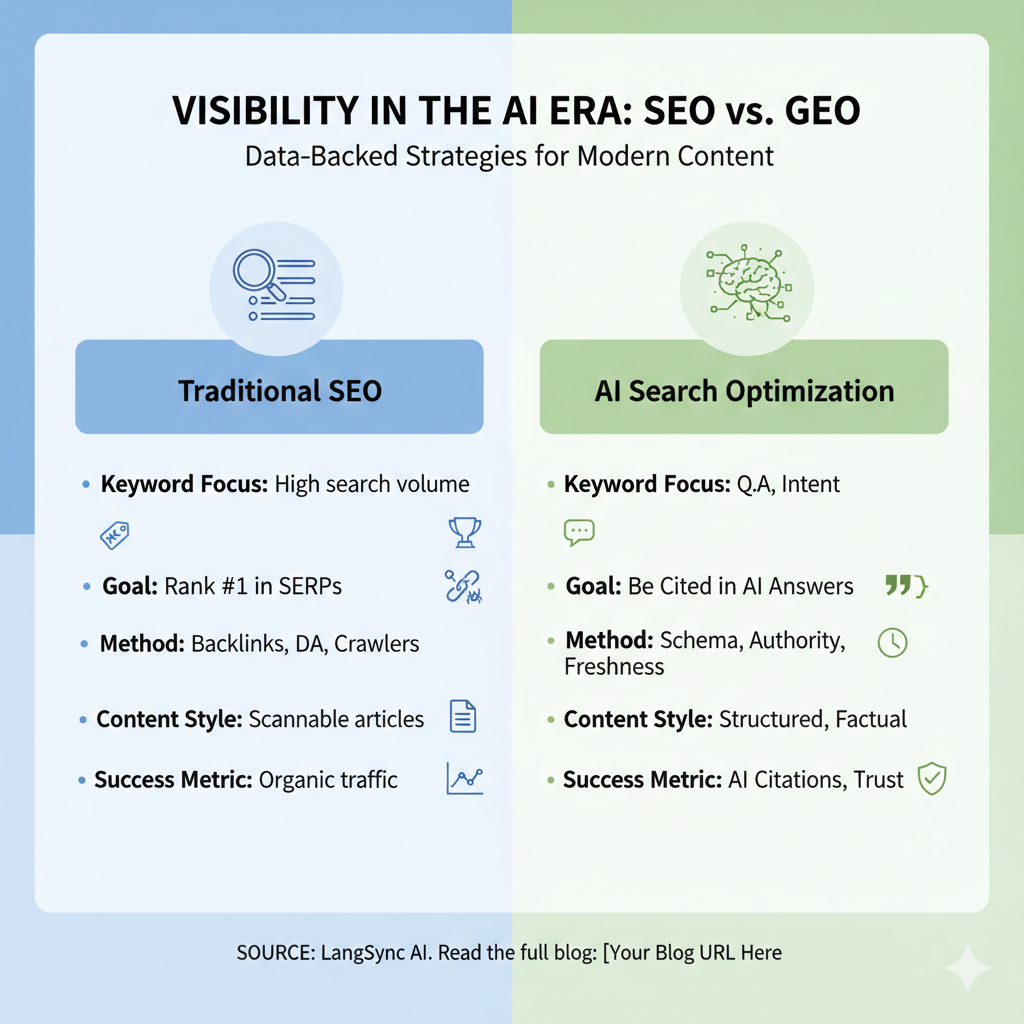
In our analysis of AI-generated responses across multiple informational queries, we consistently observed that sources with clear structure, recent updates, and strong brand signals were more likely to be cited.
What the data shows:
- AI visibility research highlights that brands actively tracking citations and mentions adapt more effectively to changes in AI search behaviour.
- Continuous optimisation based on AI performance data improves long-term discoverability and consistency across AI platforms.
Why this matters:
- Measuring AI visibility helps identify which content is being referenced and why.
- Iterative improvements allow brands to strengthen clarity, authority, and trust signals.
- Ongoing monitoring Increases the likelihood your content remains competitive as AI search evolves.
FAQs
How can I improve my brand presence on Perplexity?
What are LLMO services for Perplexity?
How do I start using Perplexity for my business?
Why is Reddit important for visibility on AI search platforms?
Can I automate reports for AI brand visibility trends?
How to improve brand presence on perplexity: Final Thoughts
Improving brand visibility on AI search platforms like Perplexity requires focus on experience, expertise, authority, and trustworthiness (E-E-A-T). Clear, credible, and well-structured content increases the chances that AI systems will reference your pages.
The 10 strategies in this blog cover everything from understanding AI search to using question-based headings, creating high-authority content, implementing schema markup, building topical authority, earning mentions, and monitoring visibility. Following these steps helps your brand get noticed and trusted by AI platforms.
AI visibility is an ongoing process. Brands that monitor performance, make improvements based on insights, and update content regularly maintain a strong advantage.
For a clear view of your AI presence, LangSync AI offers rank.langsync.ai. This tool shows where your content is cited, highlights queries mentioning your brand, and provides actionable insights to improve visibility. It is an effective way to optimise your content for AI-first discovery.