


Discover how to boost your brand’s visibility in ChatGPT, Gemini, Google AI Overviews, and more with this complete 2026 LLMO audit checklist. Includes best practices, tips, and tools to show up in AI answers.
TL;DR
- Traditional SEO is no longer enough; AI tools like ChatGPT, Gemini, and Claude are now shaping how people get answers online.
- If your brand isn’t showing up in AI-generated answers, you’re likely missing key signals such as structured data, brand mentions, prompt alignment, and crawlability.
- This blog provides a practical 2026 LLMO audit checklist covering everything from entity salience and schema markup to content formatting and prompt testing.
- You’ll learn how to check your brand’s visibility in AI responses, fix technical issues blocking AI crawlers, and optimise your content to be AI-answer friendly.
- Following these steps will help you regain lost traffic, improve your brand’s trust signals, and stay competitive in the AI-first web.
Here’s the thing: if you’ve noticed your website traffic dropping or your brand disappearing from AI summaries, it’s not just bad luck. The search landscape has changed, and traditional SEO methods alone are no longer sufficient.
Today, people are asking AI assistants for answers, and those assistants rely on large language models (LLMs) that pick and choose content based on very specific signals. If your site isn’t optimised for those signals, you’re invisible in the very places people are searching.
This blog is a friendly, straightforward guide to help you understand why that’s happening, how to audit your site’s current LLM visibility, and what you can do to fix it in 2026 and beyond.
What to Look For When Auditing Your Site for AI Visibility
It’s frustrating when your content is solid, your SEO checks out, but your brand still doesn’t show up in AI-generated answers. You test prompts in ChatGPT or scroll through Google AI Overviews, and your site is nowhere to be found. Meanwhile, competitors with weaker content keep getting mentioned.
This usually isn’t a content quality problem. It’s a visibility issue. Large language models aren’t picking up the right signals from your site, and that’s where the LLMO audit checklist comes in.
Before diving into the steps, it’s worth understanding what LLMs actually care about. They don’t just look for backlinks or keywords. They scan for structured data, semantic clarity, brand authority, and how well your content aligns with real-world prompt patterns.
If your content isn’t optimised for those signals, your site is going to stay invisible no matter how good your SEO looks on paper.
This section walks you through how to audit your brand’s visibility on LLMs, what tools to use, and how to structure your content so you’re not just creating for people, but for the AI systems deciding what gets surfaced.
Let’s get into it.
The 2026 LLMO Audit Checklist
This checklist outlines the key elements to verify on your site to ensure AI models can locate and trust your content. It’s all about fixing the little things that add up so you get noticed in AI answers.
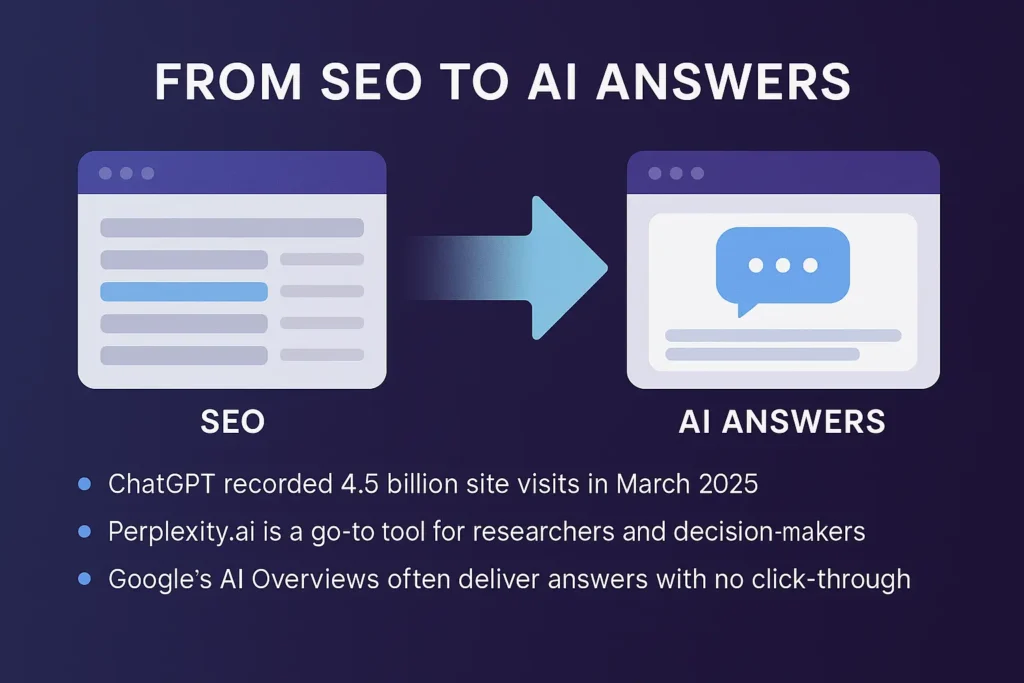
Entity Salience: Are You On the AI’s Radar?
LLMs pick up on brands and names they see often in credible places. The more your brand shows up in trusted articles, podcasts, or expert roundups, the more likely AI will mention you when answering questions. Basically, you want to be on the AI’s radar by building a visible digital footprint.
How to audit:
- Use tools like SparkToro to track where your brand is mentioned.
- See if you’re getting featured in reputable sources.
What to fix:

- Get your brand name mentioned more on credible sites and in community discussions.
- Focus on unlinked mentions too; those can carry weight for AI recognition.
Structured Data Readiness: Speak the AI’s Language
Structured data helps AI understand what your page is about without guessing. Adding the right markup (like FAQ schema or article schema) makes it easier for AI to pull out clear, accurate info. Think of it as speaking the AI’s language so it knows exactly what you offer.
How to audit:
- Use Google’s Rich Results Test to check for schema markup.
- Make sure your pages include key info like authorship, dates, and content types.
What to fix:
- Add or improve the JSON-LD schema on your important pages.
- Match the schema type to the content: blog posts, FAQs, products, etc.
- Include author info and timestamps as trust signals.
Answer Chunking & Format: Make Your Content AI-Friendly
AI prefers content that’s easy to scan. Long paragraphs don’t work well for it. Breaking your text into shorter chunks, using headers as clear questions, and bullet points makes it easier for AI to pull out and use your content in answers.
How to audit:
- Check how AI-generated answers in your space are formatted; usually short and clear.
- Compare that to your own content’s structure.
What to fix:
- Break paragraphs into 30–50 word chunks.
- Use question-style headers that match what people naturally ask.
- Put concise answers right under each header.
Prompt Alignment: Speaking the Way People Actually Ask
AI models respond best when your headings and content match how people naturally ask questions. If your headers are too technical or unclear, AI might not pick up on your content. Writing your headers like real questions makes it easier for AI to understand and pull your content into answers.
How to audit:
- Use ChatGPT, Gemini, or Claude to test if your headers sound like typical user queries.
- See if your pages come up when you ask those models the questions.
What to fix:
- Rewrite your headings as clear, simple questions.
- Put a short, direct answer right under each header so AI can grab it easily.
Real-Time Web Crawl Compatibility: Making Your Site Easy to Reach
AI tools crawl the web for fresh info, but if your site loads slowly, uses a lot of heavy scripts, or blocks crawlers, they might never see your content. That means AI could skip over you completely.
How to audit:
- Run tools like Lighthouse or Ahrefs to check your site’s speed and how easy it is to crawl.
- Look for things like lots of JavaScript or hidden metadata that might confuse crawlers.
What to fix:
- Cut down on big images and heavy scripts to speed up your site.
- Use plain HTML for important content when possible.
- Make sure metadata is easy to find for crawlers.
- Double-check your robots.txt to make sure you’re not blocking AI bots.
Mention Density vs. Backlink Volume: What AI Really Looks For
Backlinks have always been a big deal in SEO, but with AI models, unlinked brand mentions can be just as important. AI pays attention to how often your brand is talked about, even without links. So if you’re only chasing backlinks, you might be missing out on real visibility.
How to audit:
- Use tools to track unlinked brand mentions and backlinks.
- Compare how many times your brand is mentioned versus linked.
What to fix:
- Spend more time getting your brand mentioned in articles, podcasts, and community discussions.
- Focus on building real, natural conversations around your brand.
Training Data Presence: Is Your Content In AI’s Learning Pool?
Large language models learn from tons of public data, including websites, forums, and academic papers. If your content is in these places, AI is more likely to know about you. While you can’t control everything, making sure your best content is out there helps.
How to audit:
- Search for your content in public datasets, academic sites, and forums.
- Check if your core topics appear in those sources.
What to fix:
- Publish clear, authoritative content on public and reputable platforms.
- Make sure your content is easy to find and understand.
Embedding & Vector Presence: Getting Into AI’s Shortcut Index
Some AI systems use embeddings, basically compressed versions of your content stored in special databases, to quickly find answers. If your content is embedded in those databases, AI can pull from you directly.
How to audit: Check if your key content has embeddings in vector stores like Weaviate or Supabase.
What to fix:
- Use services like OpenAI or Cohere to create embeddings for your content.
- Upload those with good metadata to vector databases.
Brand Trust and Author Signals: Give AI a Reason to Trust You
AI models look for signals that show your content is reliable. Things like author bios, credentials, and consistent publishing all help build trust. If your site feels anonymous or inconsistent, AI may be less likely to reference your content.
How to audit:
- Check if your articles include real author names, bios, and credentials.
- Look for missing publication dates or pages with no clear ownership.
What to fix:
- Add author bios with links to their work or social profiles.
- Include credentials or subject matter expertise when relevant.
- Make sure every page has a clear publishing date and source attribution.
Prompt-Testing Feedback Loop: See What AI Actually Says
It’s not enough to just guess how AI interprets your site. You need to test it. Running actual prompts through tools like ChatGPT or Gemini helps you see whether your content shows up, how it’s interpreted, and what language triggers it.
How to audit:
- Search for your brand or product using real questions inside LLMs.
- Note whether your content is cited or mentioned.
- Track changes in how often you’re referenced over time.
What to fix:
- Adjust your headlines, page structure, or language to align with the questions people are actually asking.
- Update your site based on how AI responds, not just what search engines rank.
LLMO Optimisation Strategy Tips: How to Make Your Content AI-Friendly
Once your site is set up for AI visibility, it’s time to focus on smart content moves that help you get noticed. These aren’t strict rules but helpful tips that can boost your chances of showing up in AI answers and brand mentions. Think of them as small changes that add up to big improvements in how large language models (LLMs) see your site.
Whether you’re working on the best practices to show up in AI answers or trying to audit your brand visibility on LLMs, these tips will help you get noticed by AI and improve your chances of being included in AI-generated responses.
Use the Right Schema for Each Content Type
Schema markup is a way to help AI understand what your content is about. It’s not just about having a schema but using the right one for each page.
- Use the HowTo schema for step-by-step guides
- Use the FAQPage schema for questions and answers
- Use the VideoObject schema if you have videos
- Avoid using generic Article schema if a more specific type fits better
This helps AI tools recognise your content better and can improve your chances of appearing in AI answers.
Build Content Around Topics, Not Just Keywords
Instead of focusing on repeating keywords, try to cover a topic fully and create related pages around it. This shows AI that your site is an authority on that subject.
- Write in-depth about your main topics.
- Create clusters of content around related ideas
- Link these pages to each other naturally
This strategy follows the latest LLMO best practices 2026 and helps your site show up for a wider range of AI queries.
Add Q&A Blocks to Important Pages
Adding short question-and-answer sections near the top of your key pages can make a big difference. Answer common questions clearly and directly, like:
- “What is [X]?”
- “How does [X] work?”
- “Why is [X] important?”
This format is easy for AI models to pull from and helps you appear in voice assistants and chatbots.
Keep Answers Short and Easy to Scan
Long paragraphs are tough for AI to process quickly. Try to start with a clear, brief answer (around 30 to 50 words) right after each question or heading. Then add more detail if needed.
- Use bullet points and lists to break up information
- Keep sentences simple and focused
This makes your content both reader-friendly and AI-friendly.
Track How AI Responds to Your Content
Language and AI models change fast. It’s important to regularly check how your content performs in AI answers.
- Use tools like Langfuse or PromptLayer to monitor citations
- Test different ways of asking questions in ChatGPT, Gemini, Claude, or Perplexity
- Update your content based on what works best
This feedback loop is key for large language model optimisation and staying visible.
Link Related Pages Within Your Site
AI doesn’t just look at single pages. It understands your whole website better when pages are linked together around similar topics.
- Link from detailed articles back to main topic pages
- Use clear anchor text that describes the linked content
- Build a logical site structure that helps AI see your expertise
This helps boost your brand’s visibility across LLMs.
Break Down Long Content Into Smaller Pieces
If you have long blog posts or reports, don’t leave all the good info buried inside. Extract key points and turn them into:
- Quick Q&A snippets
- Bullet lists
- Short summaries
AI prefers content that’s easy to digest, so this makes your content more likely to be featured.
Get Your Brand Mentioned on Trusted Sites
Being cited on other high-quality platforms is a big signal for AI. It shows your brand is trustworthy and relevant.
- Write guest posts or expert articles
- Join industry roundups and interviews
- Share your insights on reputable forums and platforms
This helps you get noticed beyond your own website and improves how AI sees your brand.
Make Sure Metadata Is Easy to Read
Important details like author names, publish dates, and page types should be visible in simple HTML, not hidden in scripts.
- Keep metadata accessible to AI crawlers.
- Avoid burying info in JavaScript or complicated templates
- Use clear titles and descriptions for every page
This helps AI understand your content better and can improve your rankings in AI-generated answers.
Use Natural, Question-Like Headers
Write your headings like real people ask questions instead of using technical or formal language.
Instead of:
“Optimising Entity Salience for AI Visibility”
Try:
“How Can I Help AI Understand My Brand?”
Natural headers match what users say and what AI looks for in prompts, improving your chances of showing up.
FAQs
How do I know if my site is LLM-optimised?
What’s the most common mistake with LLMO?
Is structured data enough?
How often should I refresh my content?
Should I focus more on ChatGPT or Gemini?
Final Thoughts on LLMO Audit Checklist
If you’ve followed all the traditional SEO advice and still aren’t seeing your brand in AI-generated answers, you’re not alone. A lot of teams are hitting that same wall.
The issue isn’t that your content isn’t good enough. It’s that large language models aren’t reading it the way you think they are. These systems don’t rank pages like search engines used to. They look for structure, clarity, and brand signals that often get missed when content is only optimised for Google.
That’s where LangSync AI comes in.
If your brand deserves to be mentioned but keeps getting skipped, LangSync AI can help you fix that. From audits to full strategy rollouts, we help you align your content with how AI systems actually work.
Let’s get your brand back in the conversation.